

Art Mint’s timely Greatest USA Coins series adds new homages to the early numismatic history of the United States
With 2026 marking the 250th anniversary of the United States of America, the focus is firmly on the issuer of the world’s reserve currency, and what better way to commemorate it than to showcase some of the earliest, rarest, and most important coins in US history. Art Mint have embarked on a journey through them with a ten-coin series called simply ‘Greatest United States Coins’. We’ve already covered the first and second pair of releases, but this time, the Parisian producer is treating us to three new coins.
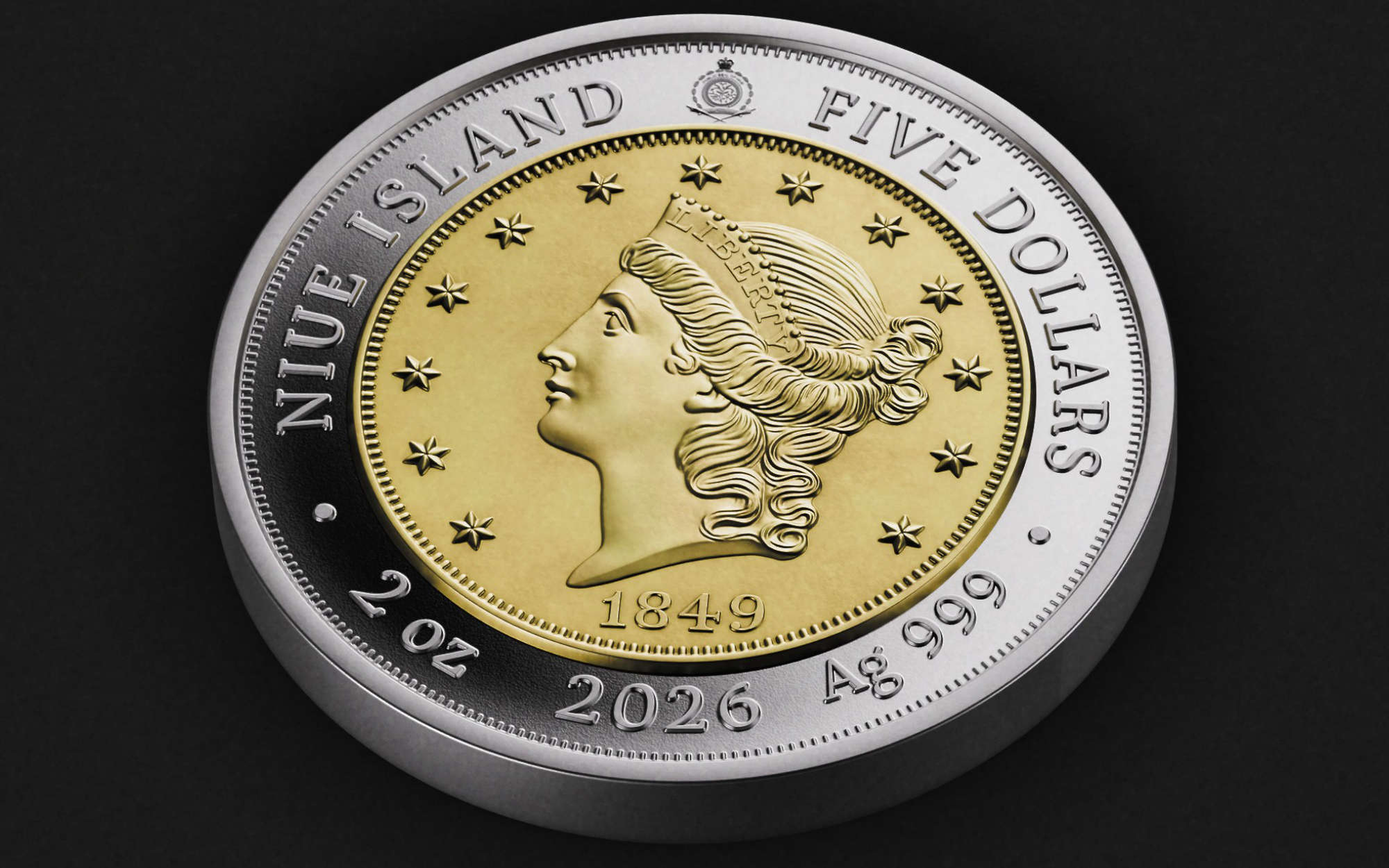
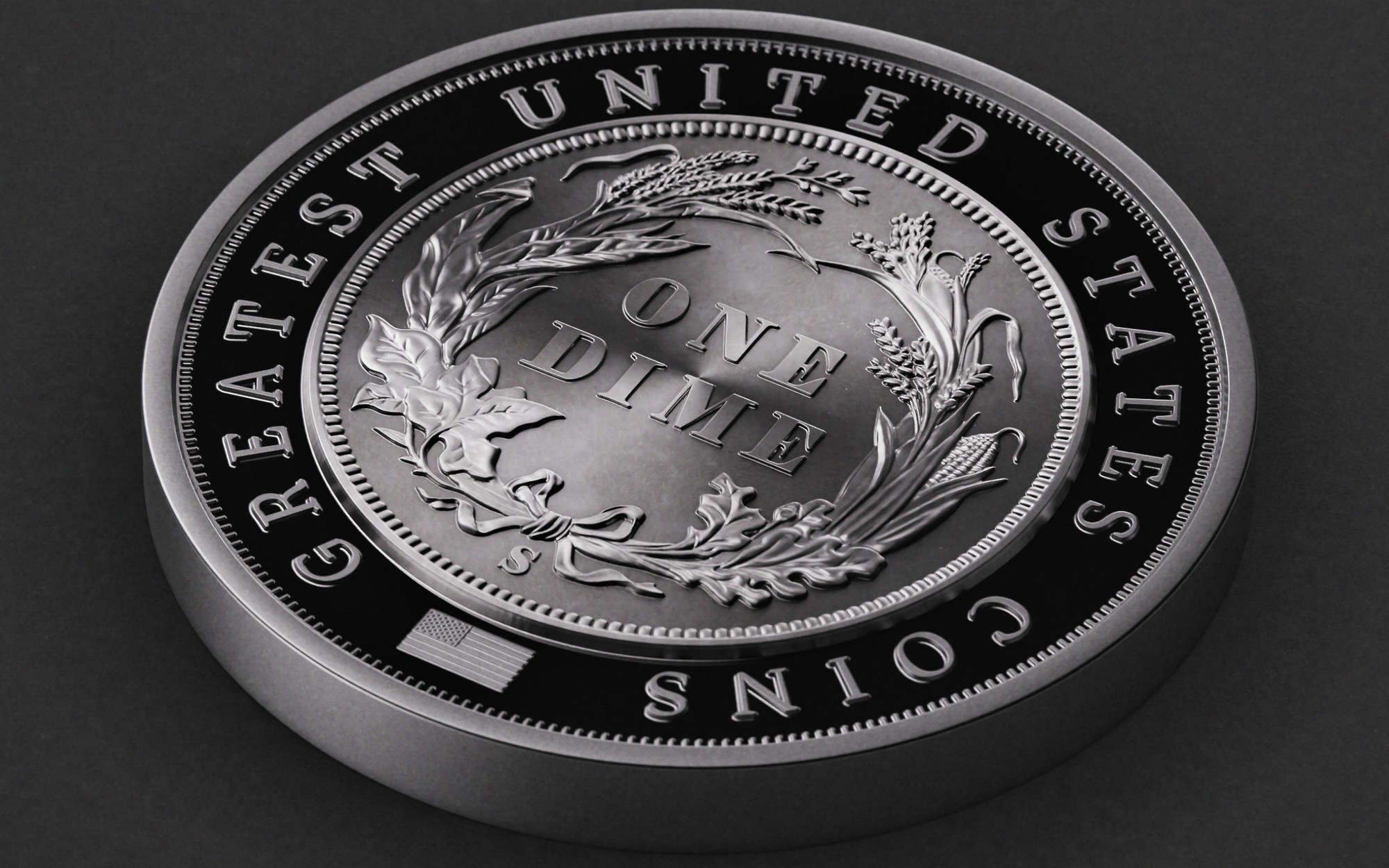
Each has a consistent style, with the reverse having a border carrying the series title, and the obverse border carrying the inscribed modern issue details. It’s the centre section that captures interest, with a superb quality reproduction of an early US coin on both faces. Finishes are chosen to better ape the originals, and these three new issues use gilding, antiquing or proof to do so. Earlier issues have also employed copper plating, or even faux toning to achieve the desired effect. It’s a pleasure to see so much variety intelligently used.
This time around, we’ve reproduced Art Mint’s own descriptions of each coin, which are well produced, and it also enables us to report on these quickly (the 7th coin was only announced an hour ago!) Suffice to say, all three are incredibly desirable subjects, very rare, highly important, and attractive in their own right. We’re going to see many coins issued to mark this 250th birthday, but I really can’t see there being a finer, more appropriate numismatic commemoration than this excellent series of two-ounce silver coins. All are boxed with a COA, of course, and mintages are capped at 500. These should be available to order at most dealers tomorrow, or they can be purchased directly.
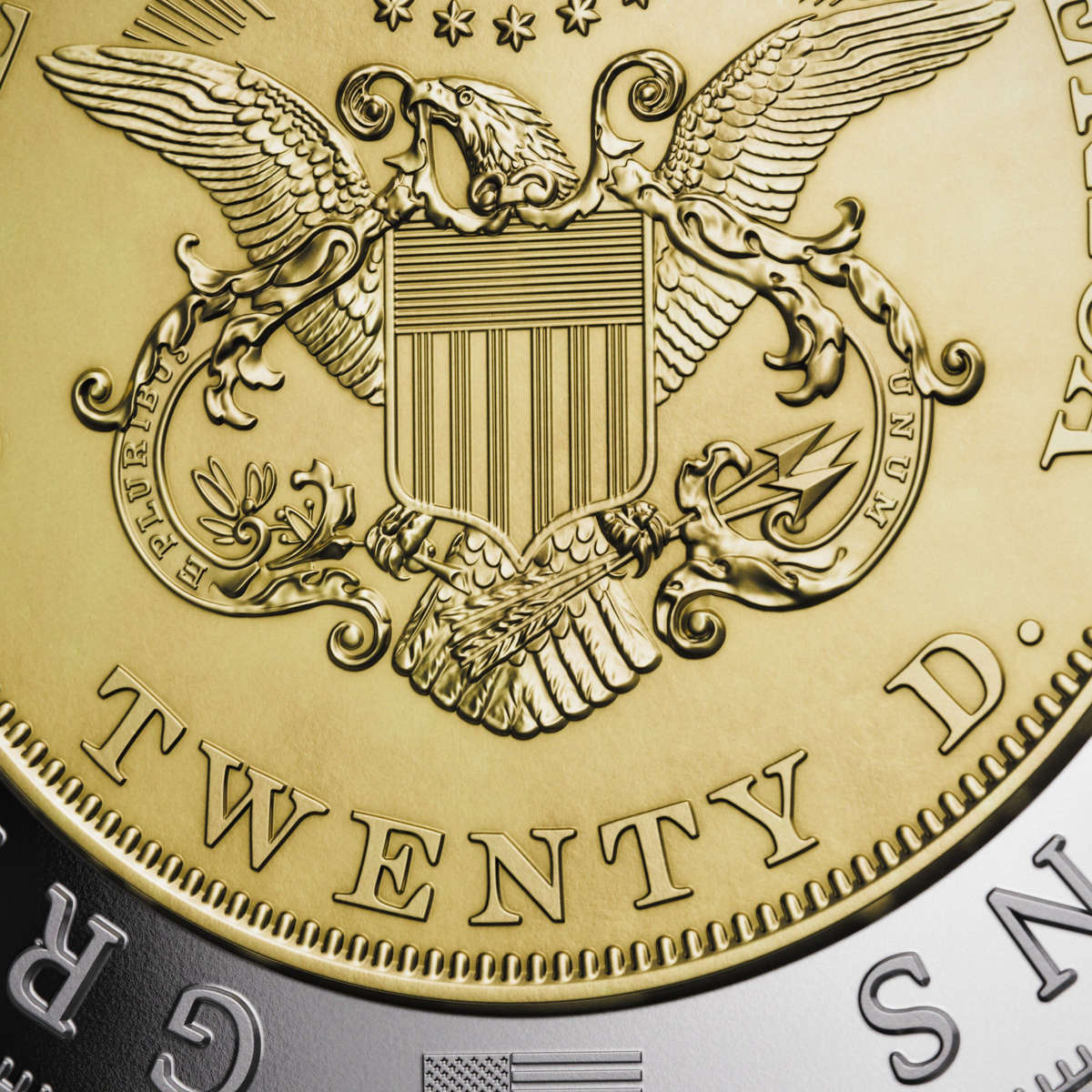
1849 Liberty Head Double Eagle
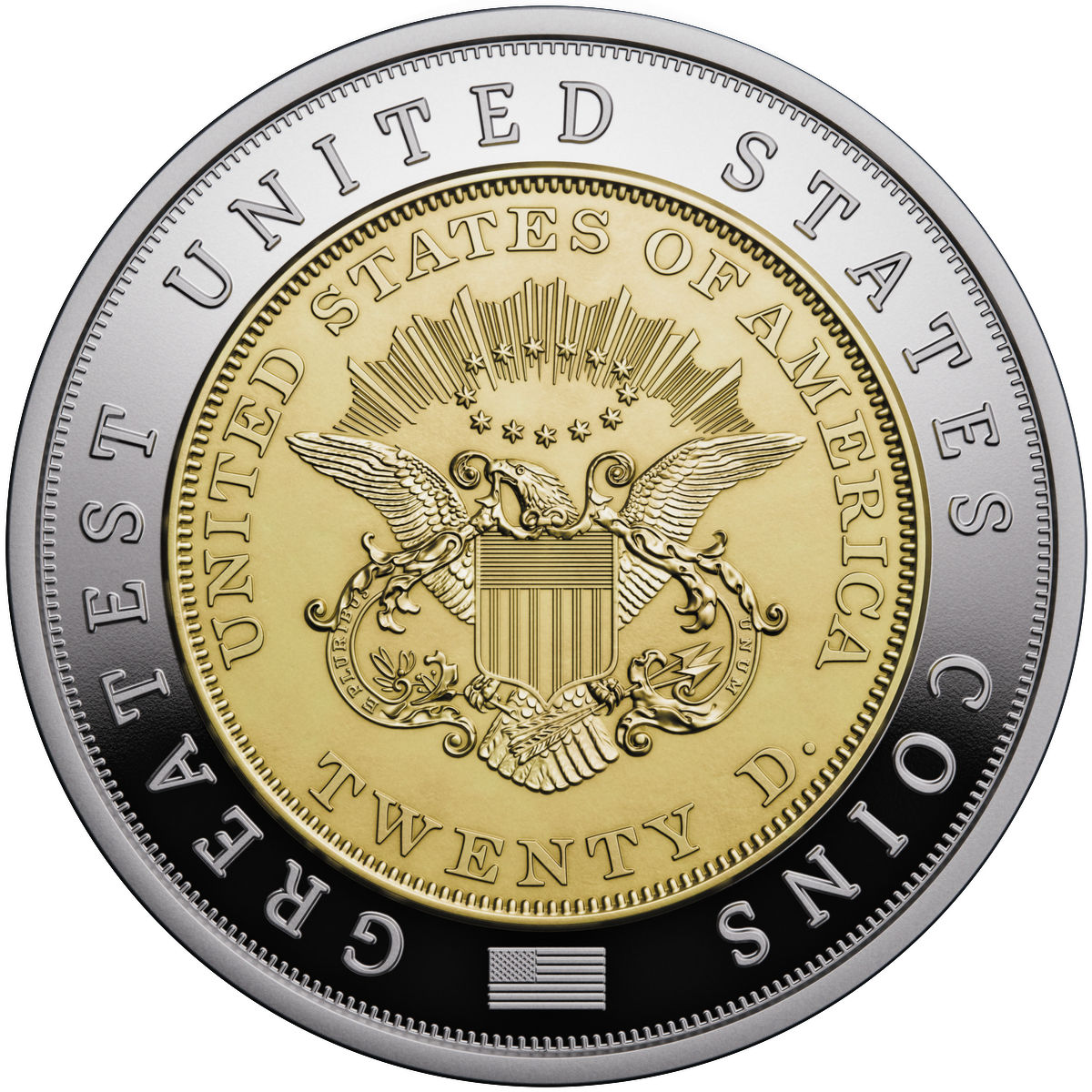
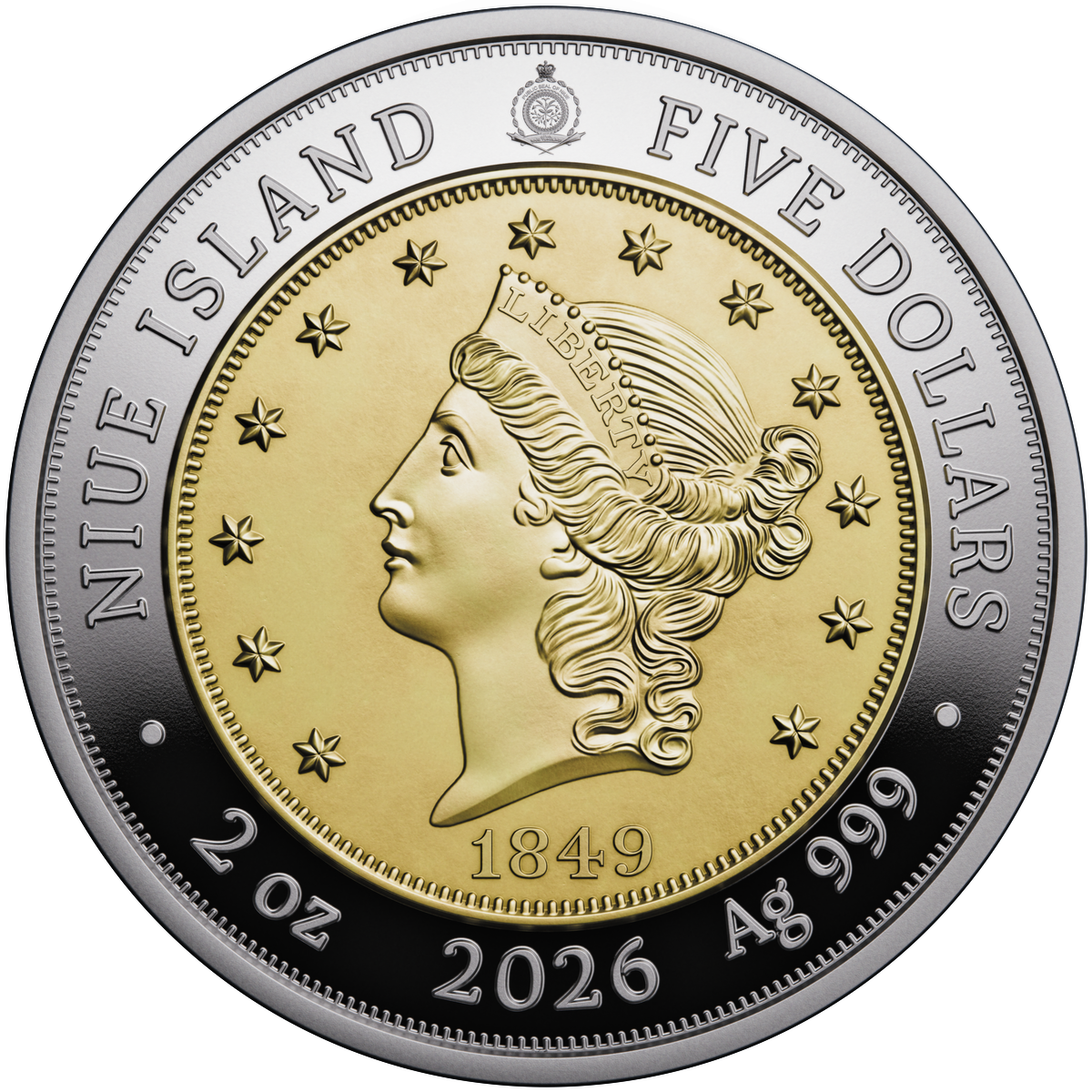
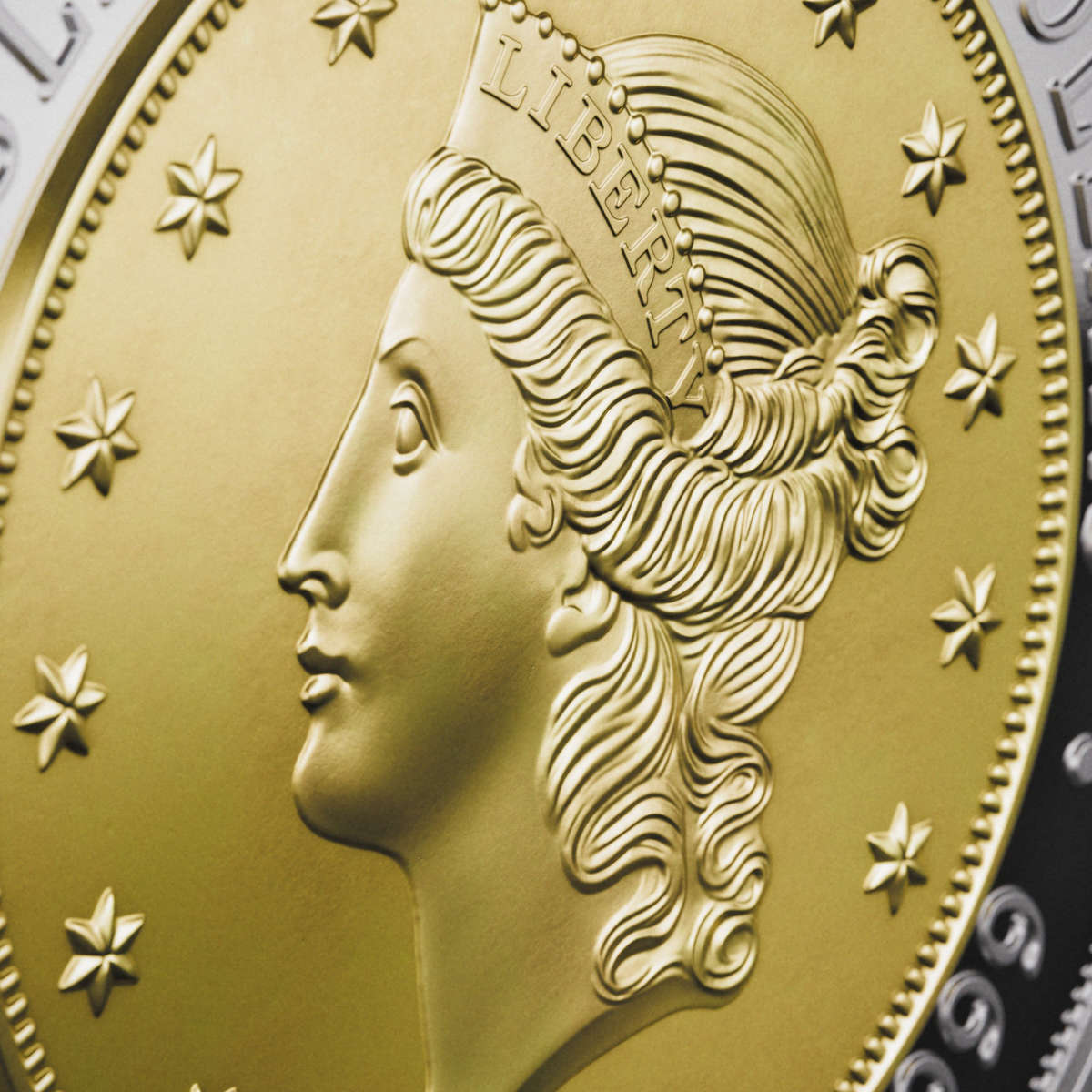
The 1849 Liberty Head Double Eagle holds a unique and historic place in American numismatics as the very first twenty-dollar gold coin ever authorized and struck by the United States Mint. Designed by Chief Engraver James Barton Longacre, the coin was created in response to the California Gold Rush, which dramatically increased the nation’s gold reserves and made the production of a larger denomination gold coin both practical and necessary. The obverse features the elegant portrait of Lady Liberty wearing a coronet inscribed with the word “LIBERTY,” while the reverse displays a heraldic eagle with shield, symbolizing the strength and unity of the United States.
Unlike regular circulation issues, the 1849 Double Eagle was essentially an experimental and transitional coin. Only two specimens were struck: one was sent to the Smithsonian Institution, where it remains today as one of the most important treasures of American numismatics, while the second piece disappeared and has never been conclusively identified. As a result, no 1849 Liberty Head Double Eagle is available to collectors, making it one of the rarest and most legendary coins in U.S. history.
The coin represents the birth of the Double Eagle denomination, a series that would become synonymous with American prosperity, westward expansion, and the nation’s rise as an economic power. More than a coin, it is a symbol of the transformative era sparked by the discovery of gold in California and the beginning of a new chapter in American monetary history.
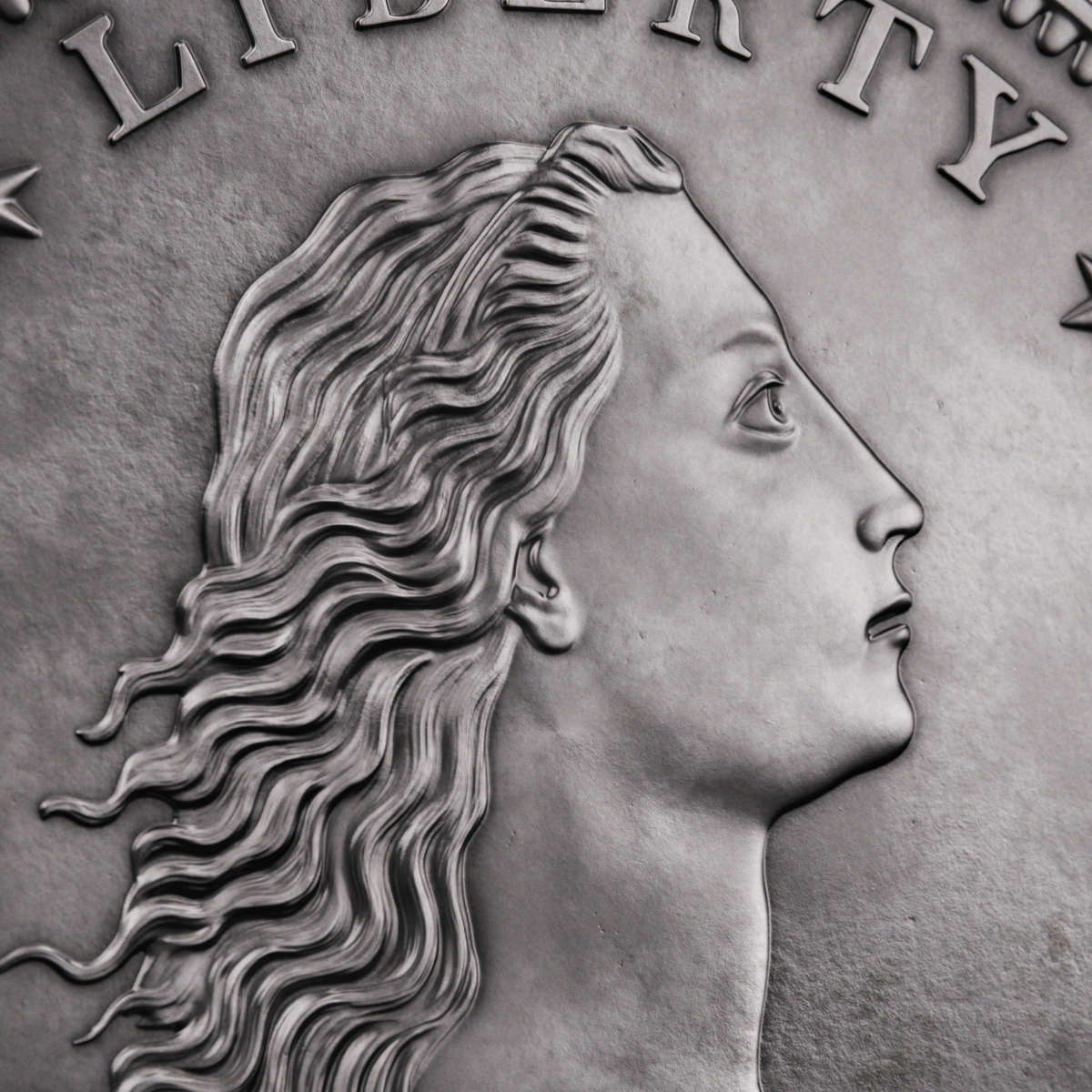
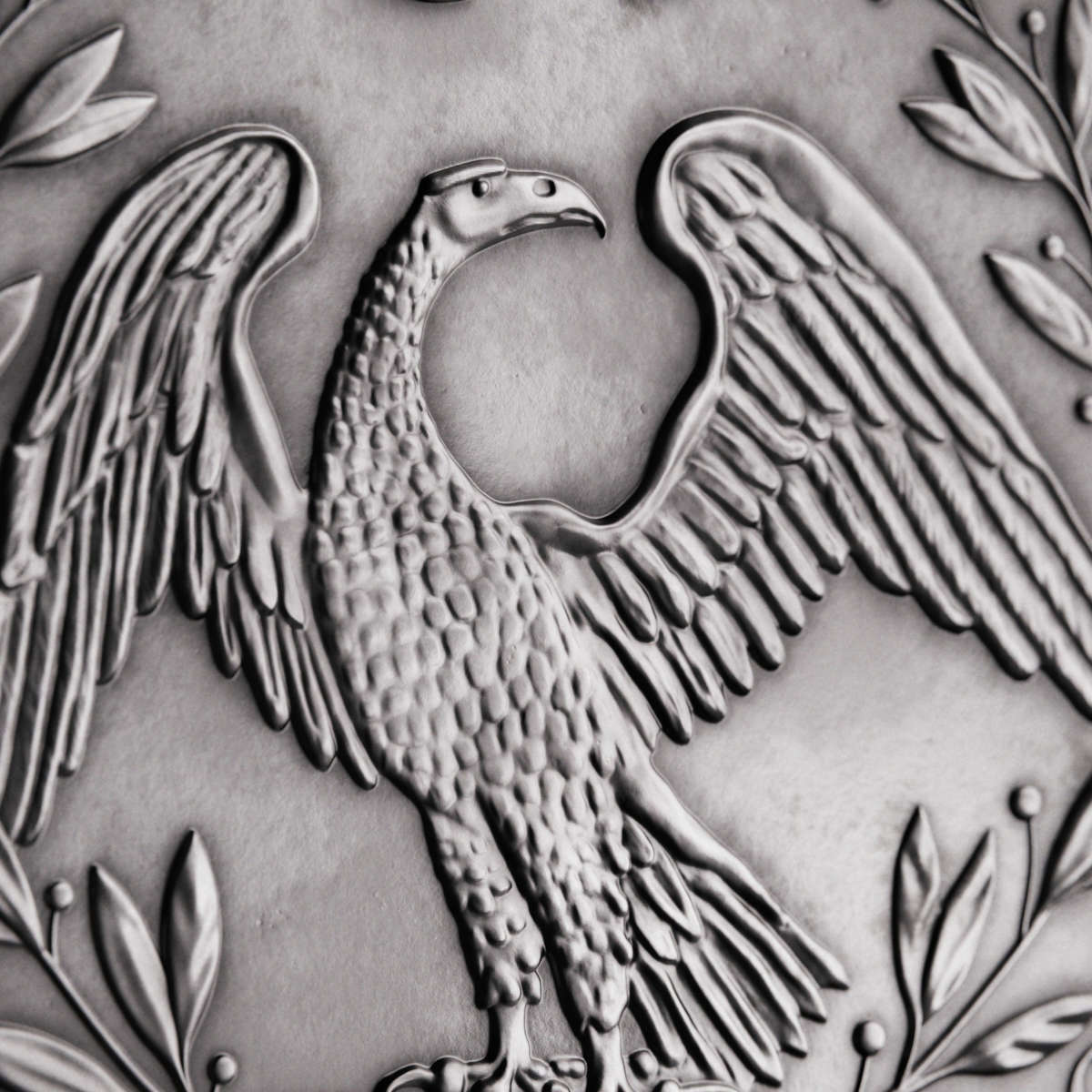
1794 Flowing Hair Silver Dollar
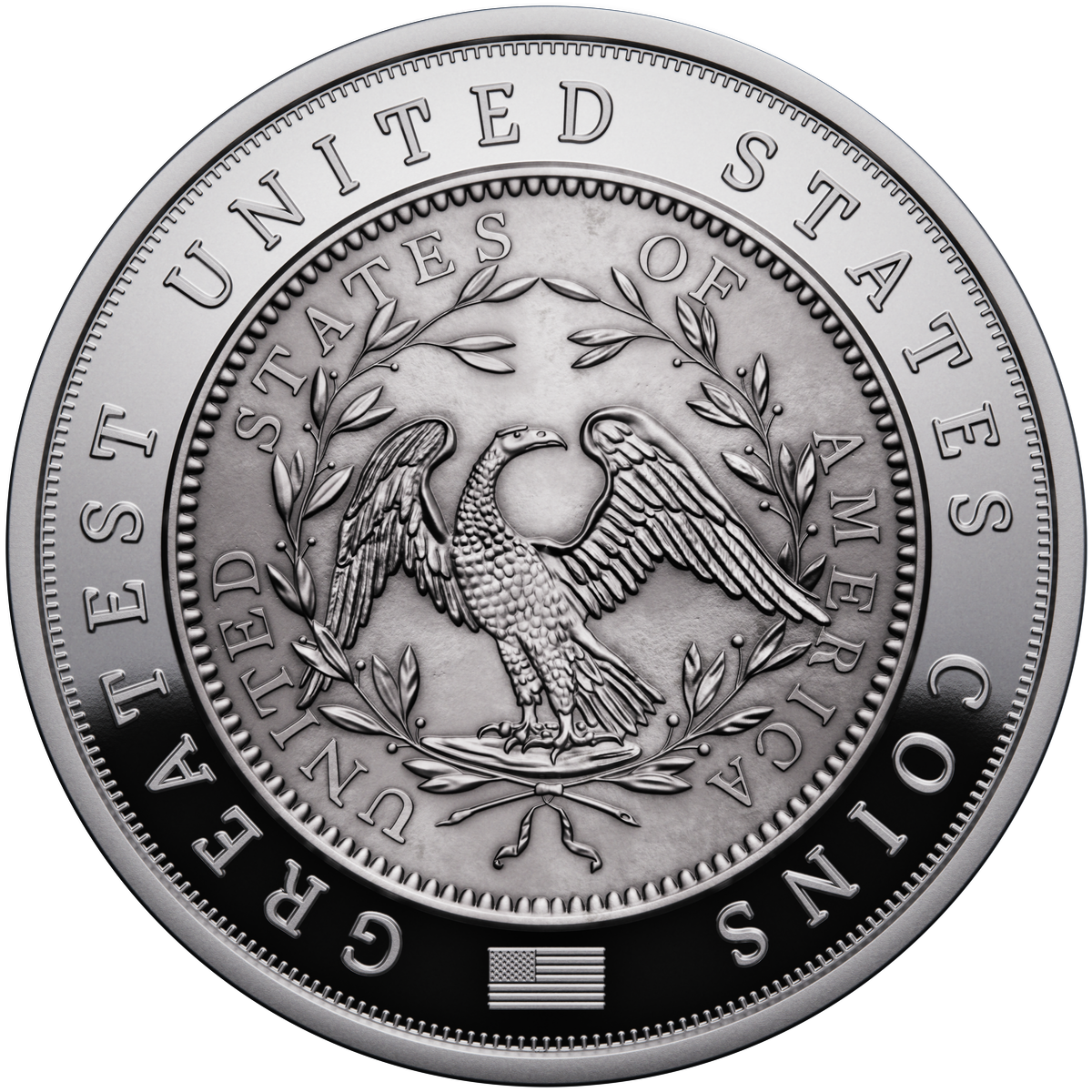
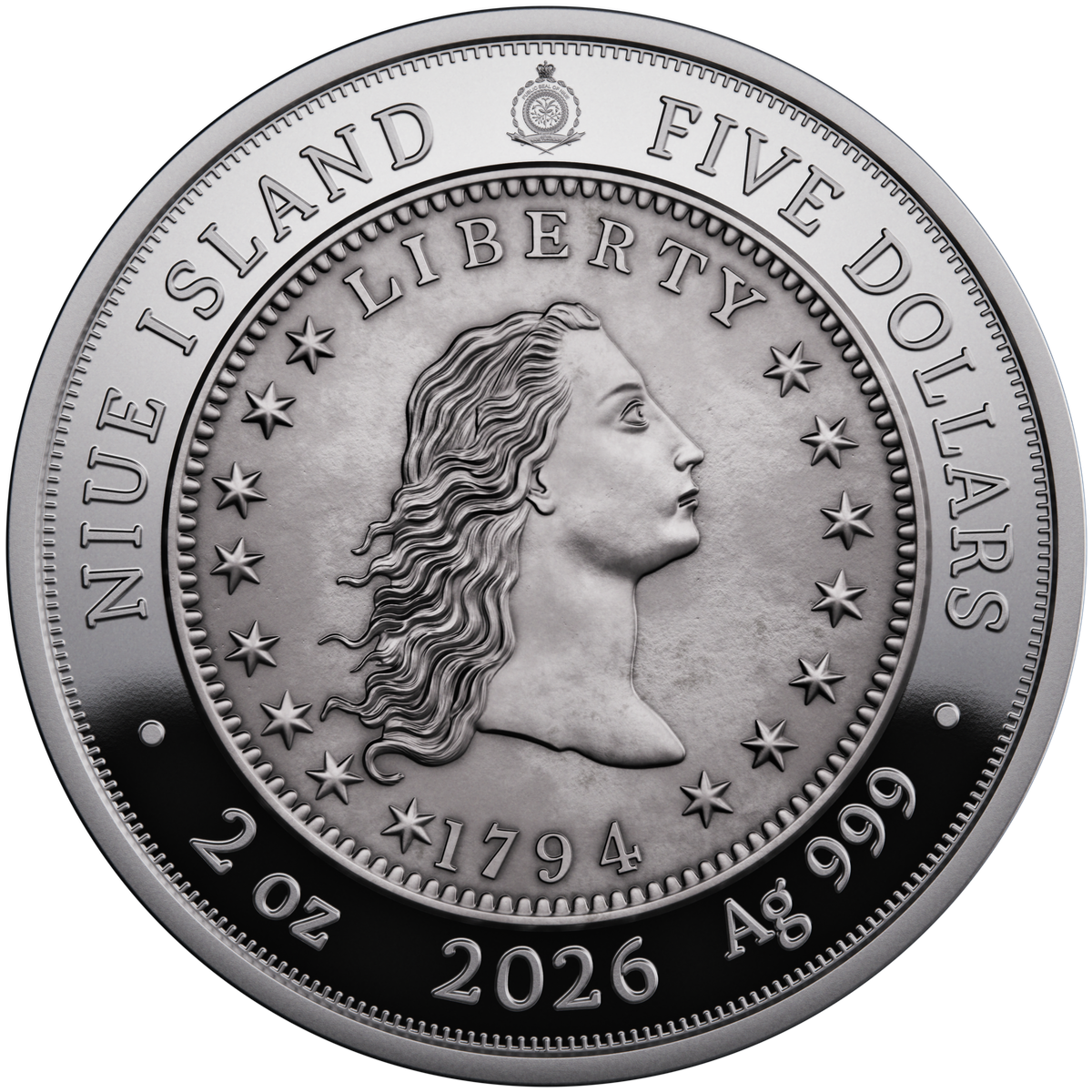
The 1794 Flowing Hair Silver Dollar is widely regarded as the most important coin in American numismatic history. As the first silver dollar ever issued by the United States Mint, it represents the birth of the nation’s monetary system and stands as a tangible symbol of America’s emergence as an independent republic. Designed by Chief Engraver Robert Scot, the coin features a youthful portrait of Liberty with flowing hair on the obverse, embodying the ideals of freedom and independence that defined the young nation. The reverse depicts a small eagle surrounded by a wreath, reflecting the earliest artistic expression of the newly established United States.
The Coinage Act of 1792 authorized the creation of a national coinage system, and after years of preparation, the first silver dollars were struck in Philadelphia in October 1794. Historical records indicate that only 1,758 pieces were minted, many of which entered circulation and were subsequently lost, melted, or heavily worn. Today, surviving examples are among the most prized treasures in American numismatics.
Many experts believe that the finest known specimen may have been among the very first silver dollars struck and possibly presented to government officials or foreign dignitaries as examples of the new nation’s coinage. In 2013, this extraordinary specimen was sold at auction for over USD 10 million, setting a world record at the time for the most expensive coin ever sold and reinforcing its legendary status among collectors.
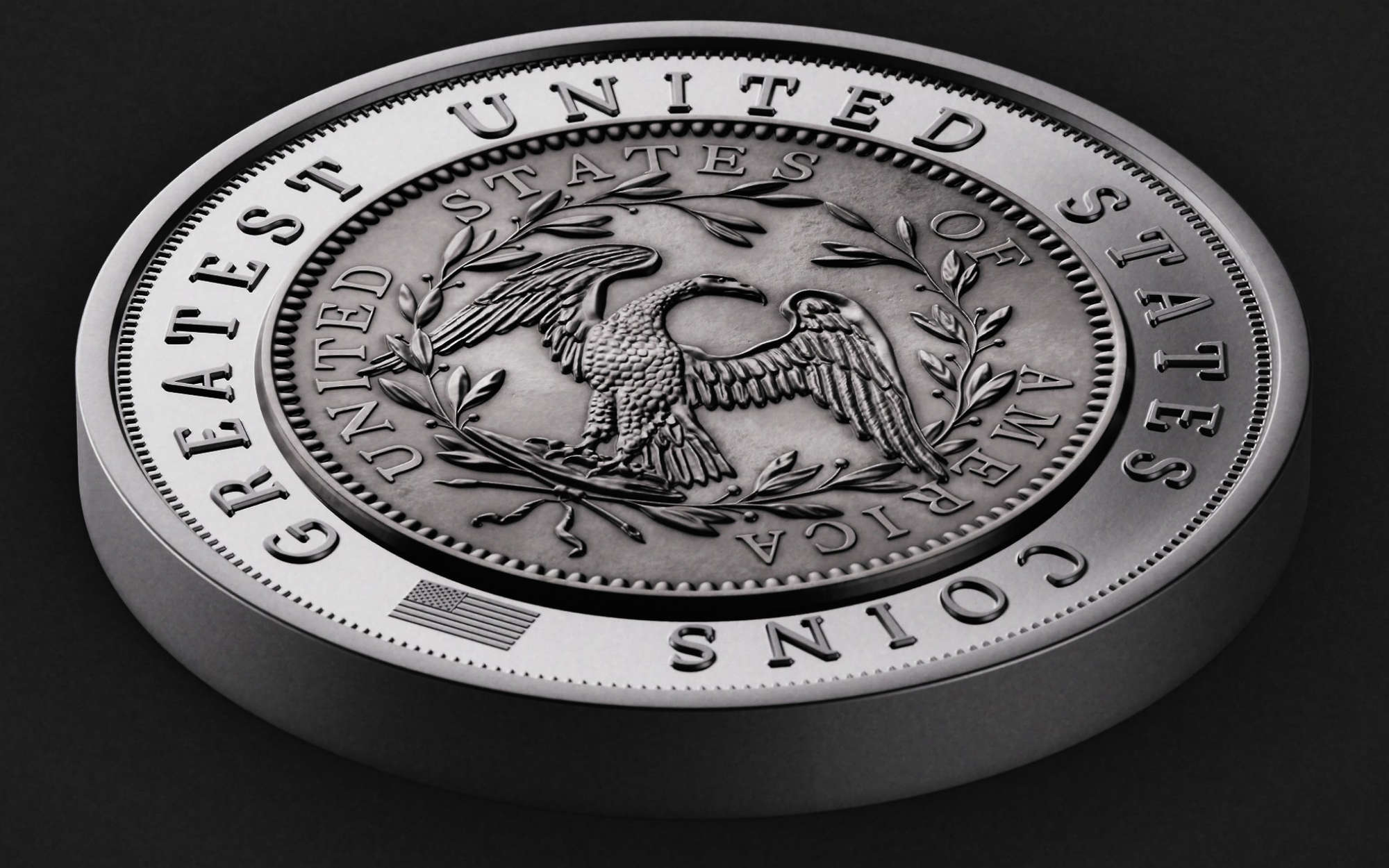
1894-S Barber Dime
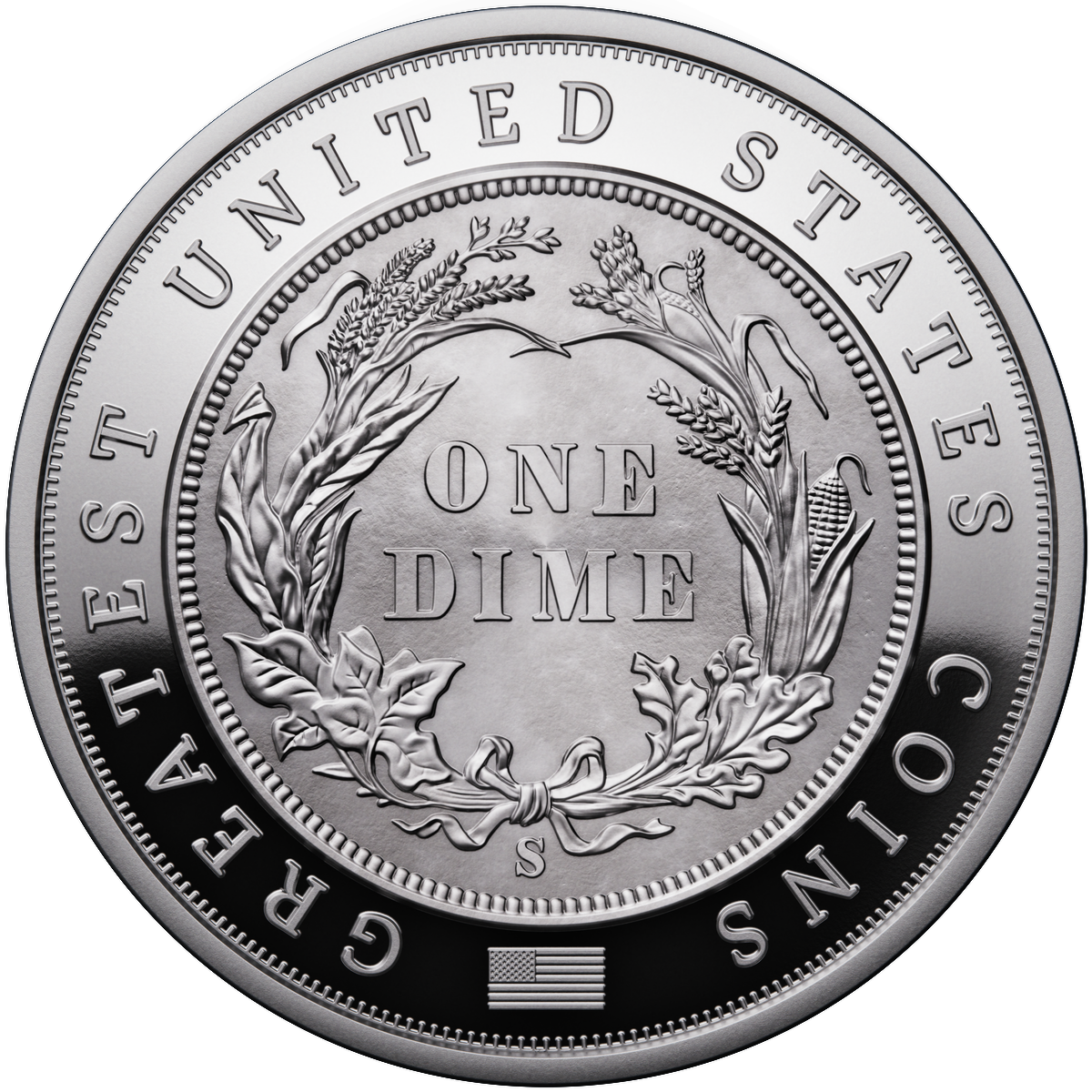
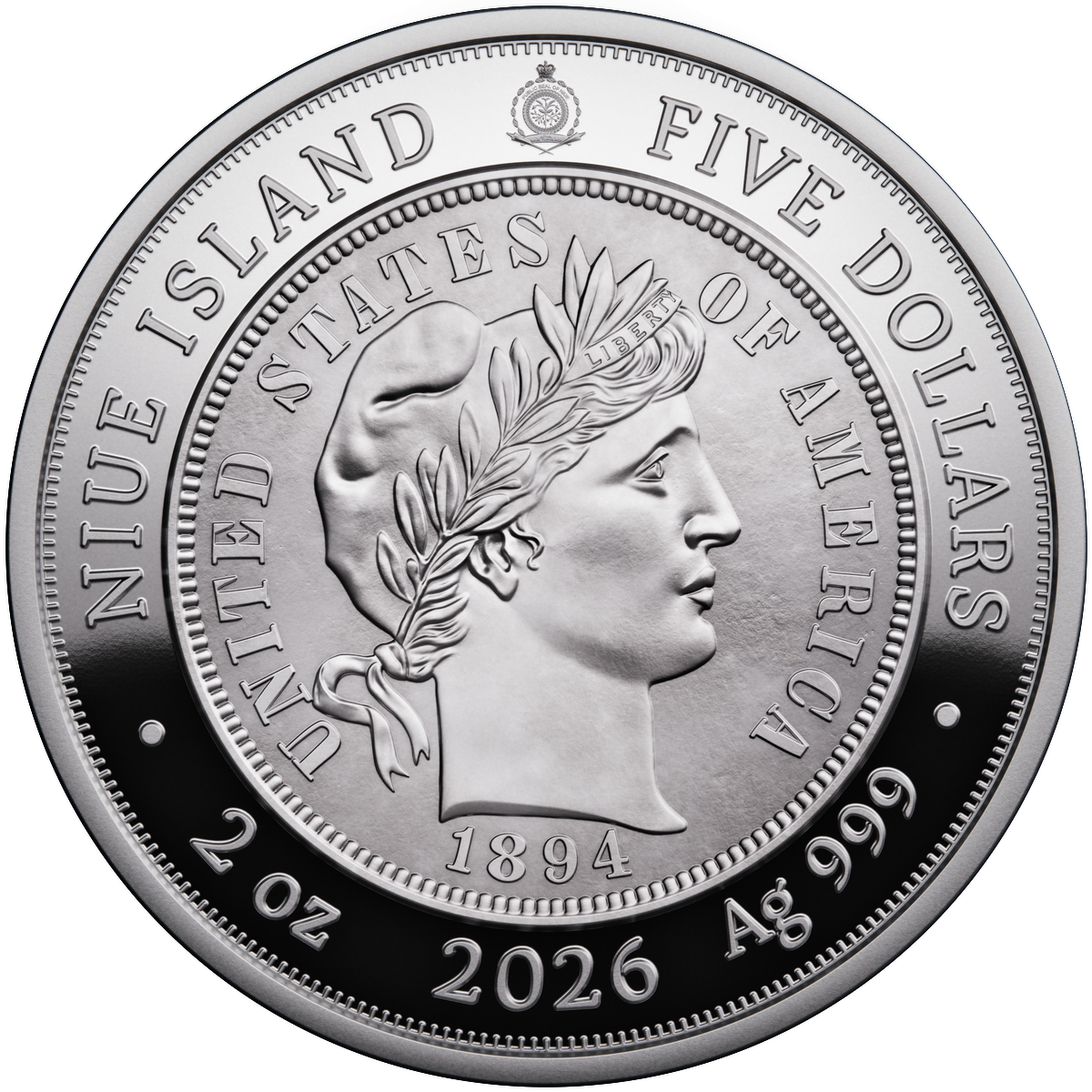
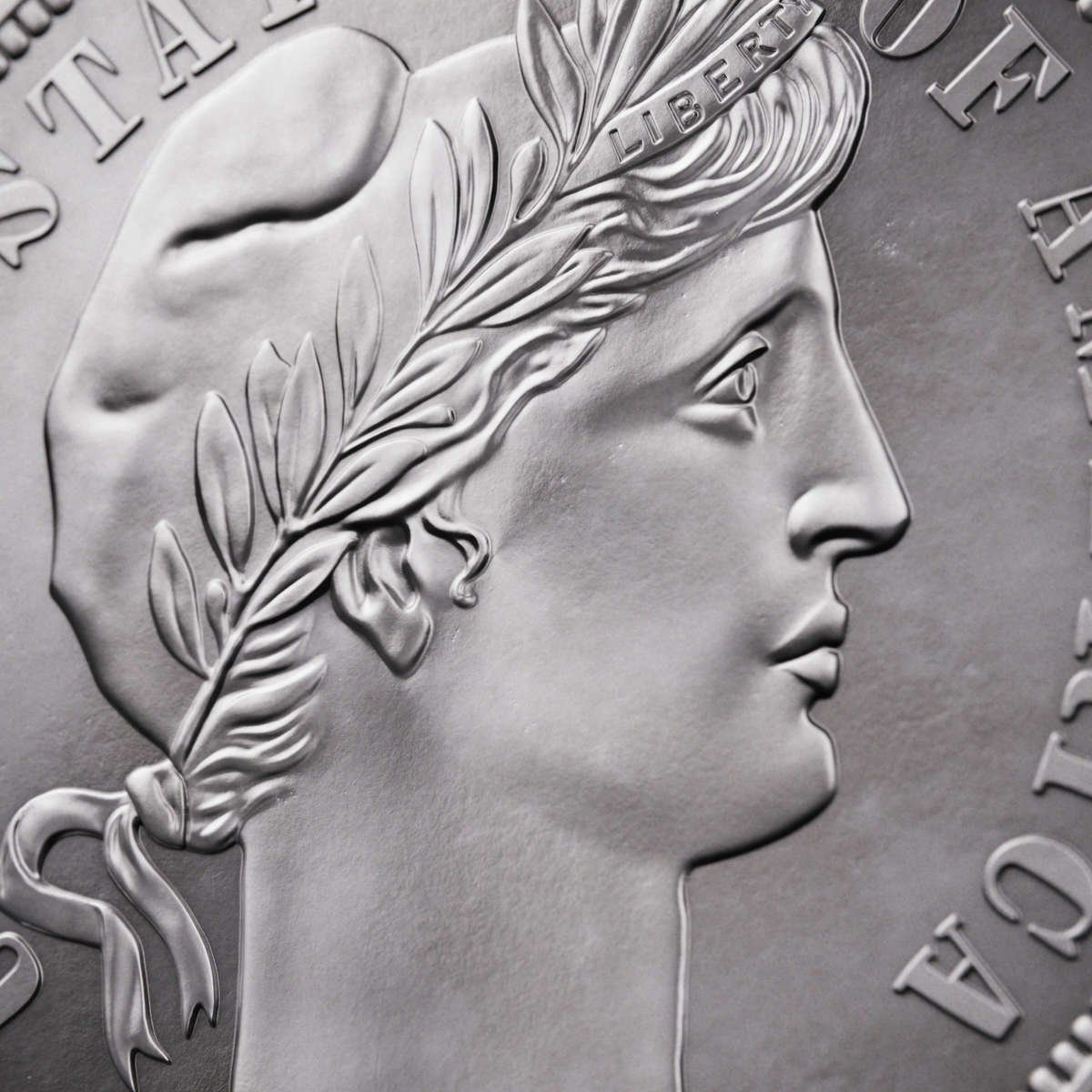
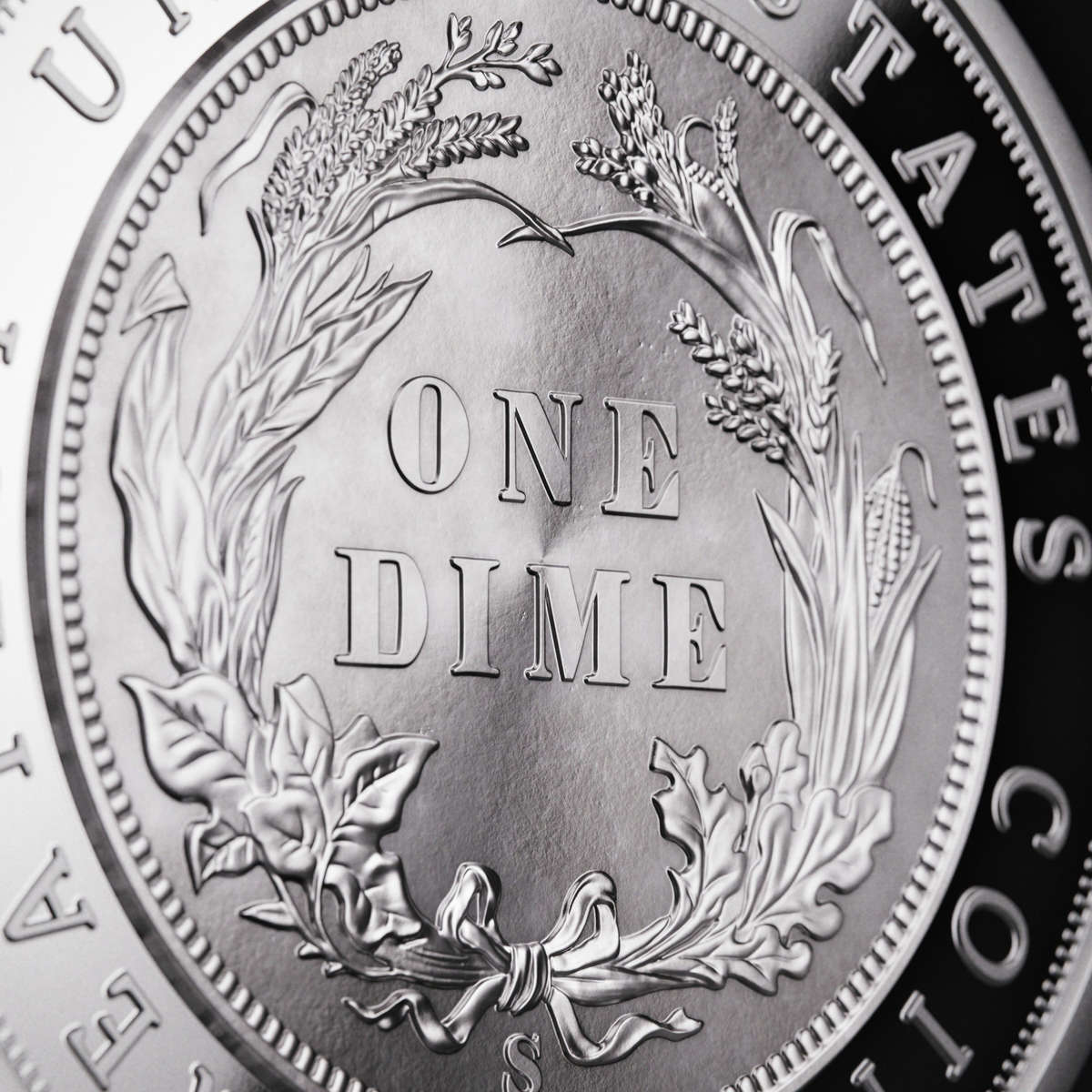
The 1894-S Barber Dime is one of the greatest rarities in American numismatics and is often referred to as the “King of Dimes.” With only 24 pieces ever struck and fewer than ten known to survive today, it stands among the most coveted and mysterious coins in the history of the United States. Designed by Charles E. Barber, Chief Engraver of the United States Mint, the coin features a classical portrait of Liberty wearing a Phrygian cap, laurel wreath, and headband inscribed with the word “LIBERTY.” The reverse displays a simple yet elegant wreath surrounding the denomination, a design that became synonymous with late nineteenth-century American coinage.
The circumstances surrounding the coin’s creation remain one of numismatics’ enduring mysteries. In 1894, the San Francisco Mint unexpectedly struck just twenty-four dimes, an extraordinarily low number even by the standards of the time. Various theories have been proposed over the years. Some historians believe the coins were struck to balance a minor accounting discrepancy in the Mint’s records, while others suggest they were specially produced for influential bankers or government officials.
Adding to the legend is the famous story of San Francisco Mint Superintendent John Daggett, who reportedly gave three of the dimes to his daughter and advised her to preserve them because they would someday become valuable. According to numismatic lore, she spent one of them on ice cream, creating one of the most famous anecdotes in American coin collecting history. Today, the surviving examples are among the most valuable coins in the world. Whenever an 1894-S Barber Dime appears at auction, it attracts tremendous attention from collectors and investors alike. Exceptional specimens have sold for more than USD 2 million, reflecting the coin’s extraordinary rarity, historical significance, and enduring fascination.
| DENOMINATION | COMPOSITION | DIMENSION | FINISH | MINTAGE |
| $5 NZD (Niue) | 62.2 g of 0.999 silver | 50.0 mm | Proof, Gilding | 500 |
| $5 NZD (Niue) | 62.2 g of 0.999 silver | 50.0 mm | Proof, Antique | 500 |
| $5 NZD (Niue) | 62.2 g of 0.999 silver | 50.0 mm | Proof | 500 |
Leave A Comment